Your certificate
A personalised digital certificate with the name you choose.
Certificate of symbolic adoption
Your chosen name
has met
A koala character
Meet a fictional character inspired by the koala, and follow their gentle adventures through a story made to feel like yours.
The character is fictional. Membership includes story content and a personalised certificate.
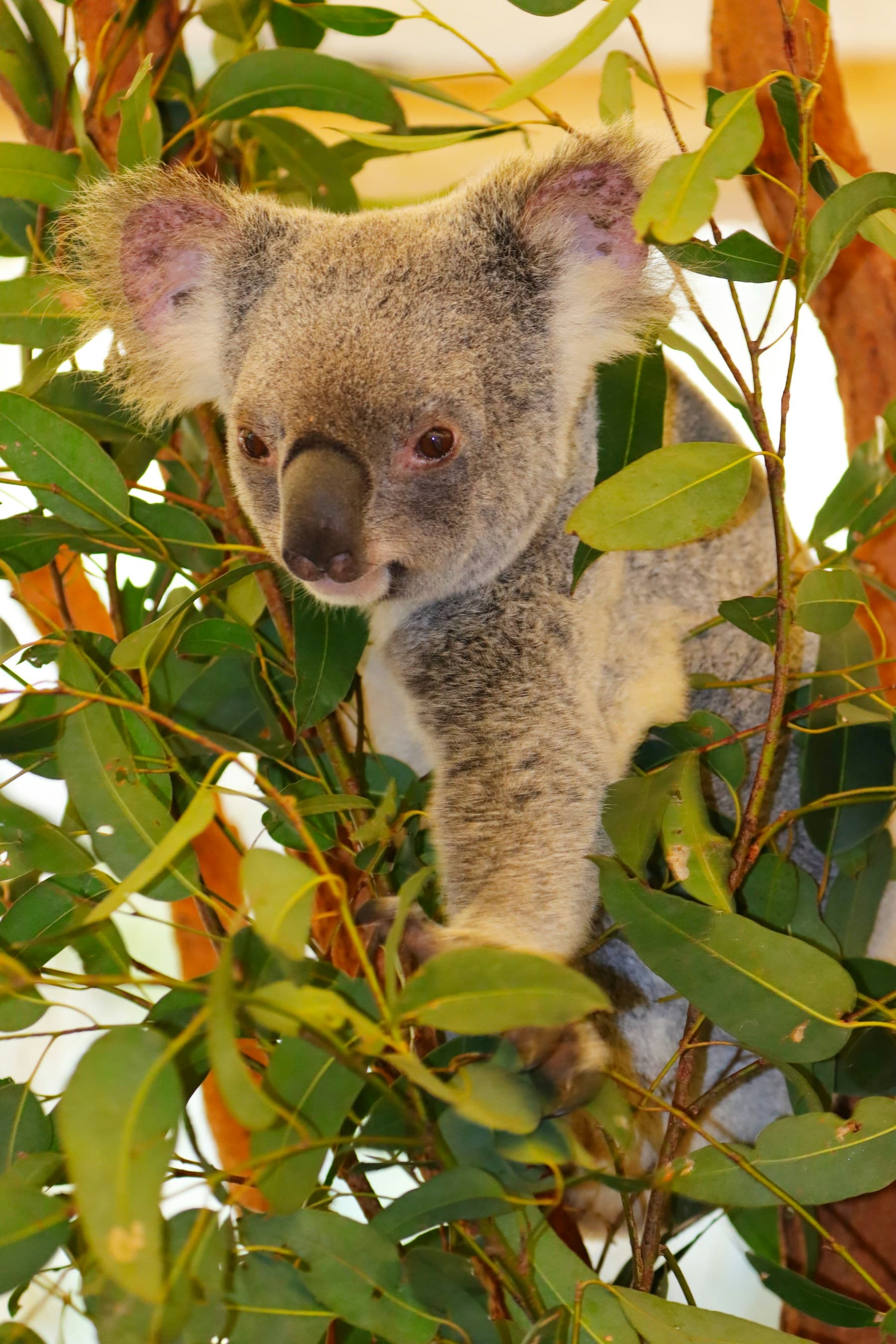
A personalised digital certificate with the name you choose.
Certificate of symbolic adoption
Your chosen name
has met
A koala character
A made-up friend inspired by the real koala.
Carefully sourced notes about the animal that inspired the story.
The character is made up. The species facts are sourced separately and shown with their references.
A tree-dwelling marsupial
The koala (Phascolarctos cinereus) is native to eastern Australia. It lives in eucalypt forests and woodlands, but suitable habitat is more than a stand of one kind of tree. Koalas need food trees, places to rest and shelter, and connected areas through which they can move. The tree species used for feeding and resting vary by region. Koalas are specialist leaf-eaters. Eucalyptus leaves are their main food, though they do not eat every eucalypt species equally. A low-energy diet and a long period of rest help them conserve energy. Strong limbs and sharp claws help them climb and hold onto branches. Despite the familiar phrase “koala bear”, koalas are marsupials, not bears.
Source: Australian Government, Department of Climate Change, Energy, the Environment and Water ↗Habitat quality and connection
Clearing and degradation of habitat can reduce the trees koalas need for food, shelter and movement. Fragmentation can leave animals isolated and bring them closer to roads, dogs and settlements. Other pressures identified in Australian government conservation material include vehicle strikes, dog attacks, disease, heatwaves, drought and bushfires. Their impact varies by region and can combine with habitat loss. Protecting habitat means considering the whole landscape: existing trees, regrowth, movement routes and refuges that may become important under hotter or drier conditions. Local food-tree preferences and climate differ, so restoration plans need regional evidence rather than a single generic planting list.
Source: Australian Government, Department of Climate Change, Energy, the Environment and Water ↗Why current information needs a date
Koala conservation status and population trends are assessed by jurisdiction and can change over time. Figures should be quoted only with their geography, date and source. Monitoring, habitat mapping and reporting of threats help inform recovery planning.
Source: Australian Government, Department of Climate Change, Energy, the Environment and Water ↗Join the monthly story membership, add a name to the certificate and make it a gift with a short dedication.
Monthly membership: £9.99, billed each month. Cancel at any time in your membership account.
90% of each monthly payment will be transferred to International Animal Rescue to support protecting animals around the world
Personalise the certificate
No. It is a symbolic adoption of a fictional koala character with a monthly story membership.
Yes. The membership is £9.99 per month, billed monthly.
90% of each monthly payment will be transferred to International Animal Rescue to support protecting animals around the world